

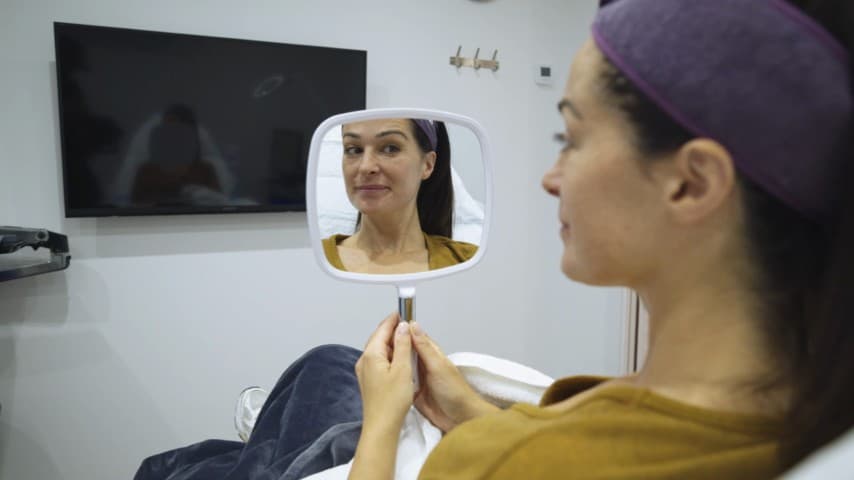
Uneven Skin Texture Treatments
Clinical assessment and targeted management of textural irregularities
Uneven skin texture encompasses a range of surface irregularities including roughness, bumps, visible pores and an uneven skin surface. These concerns often result from accumulated sun damage, impaired cell turnover, collagen degradation or previous inflammatory conditions such as acne. At Berkshire Aesthetics, our doctor-led approach identifies the underlying contributors before recommending a personalised treatment plan to restore smoother, more refined skin.
Aetiology & Contributing Factors
- Accumulated sun damage and UV-induced collagen breakdown
- Impaired or slowed natural skin cell turnover
- Post-inflammatory changes from acne or other skin conditions
- Age-related decline in collagen and elastin production
- Excess sebum production leading to congestion and rough patches
- Environmental exposure including pollution and harsh weather
- Genetic predisposition affecting skin renewal rate
Clinical Presentation
- Rough or uneven skin surface when touched
- Visible bumps, congestion or milia
- Enlarged or prominent pores
- Dull or lacklustre appearance despite adequate hydration
- Patchy areas of flaking or dry skin
- Uneven absorption of skincare products
Evidence-Based Treatment Modalities
Treatment selection is individualised following clinical assessment, taking into account disease severity, Fitzpatrick skin type, medical history and patient goals.
Morpheus8
Morpheus8 RF microneedling delivers radiofrequency energy into the deeper layers of the skin, stimulating collagen and elastin remodelling to improve surface texture, reduce pore size and create a smoother, more even complexion over a course of treatments.
Chemical Peels
Medical-grade chemical peels accelerate the removal of the outermost skin layers, encouraging fresh cell turnover and smoothing textural irregularities. Peel type and depth are selected by your doctor based on your skin type and the nature of the textural concerns.
SkinPen Microneedling
SkinPen microneedling creates controlled micro-channels in the skin to stimulate the natural wound-healing response, promoting collagen production and improving skin texture, tone and overall smoothness.
Alma Hybrid CO2
Alma Hybrid CO2 laser resurfacing precisely removes damaged surface skin while stimulating deeper collagen renewal. It is particularly effective for more pronounced textural irregularities and can deliver significant improvement in skin smoothness.
HydraFacial
HydraFacial combines deep cleansing, gentle exfoliation, extraction and hydration in a single treatment. It helps to refine skin texture by clearing congestion and delivering active serums that support cell renewal.
Profhilo
Profhilo delivers high-concentration hyaluronic acid into the skin to stimulate collagen and elastin production from within. Over a course of treatment, it helps improve skin quality, hydration and overall texture.
Why we start with a consultation
Every treatment begins with a medical assessment. We need to understand your medical history, current health, skin condition and concerns before prescribing any procedure. This protects your safety and ensures the treatment is clinically appropriate for you.
During your consultation, Dr Langdon will explain what the treatment can realistically achieve, any risks specific to you, and whether an alternative might be more appropriate.
All bookings are subject to our Booking Conditions.
Clinical FAQs: Uneven Skin Texture
Clinical Summary
Clinical Governance
- All textural concerns are assessed by experienced doctors who identify the underlying causes before recommending treatment
- We offer a comprehensive range of resurfacing and remodelling technologies including RF microneedling, laser, peels and advanced facials
- Treatment plans are personalised to your skin type, concern severity and lifestyle — we do not take a one-size-fits-all approach
Book a Consultation
Request a medical assessment for your uneven skin texture with our clinical team.
Book NowCall 01628 202028Related Conditions
Further Reading & Clinical References
The following external resources provide independent clinical and regulatory information.
- Caring for your skin— BAD
This content is for informational purposes only and does not constitute medical advice. Individual suitability for any treatment is assessed during a consultation. Always seek the guidance of a qualified medical professional with any questions regarding a medical condition or treatment.
- CQC registered clinic — regulated and inspected
- Doctor-led clinical oversight by Dr Selena Langdon (GMC 6159259)
- Complaints process and patient rights
Page last reviewed: February 2026
Reviewed by Dr Selena Langdon, Medical Director (GMC 6159259) — Last reviewed: February 2026
Request a Clinical Assessment
Book a medical consultation to discuss diagnosis and an individualised treatment protocol.