

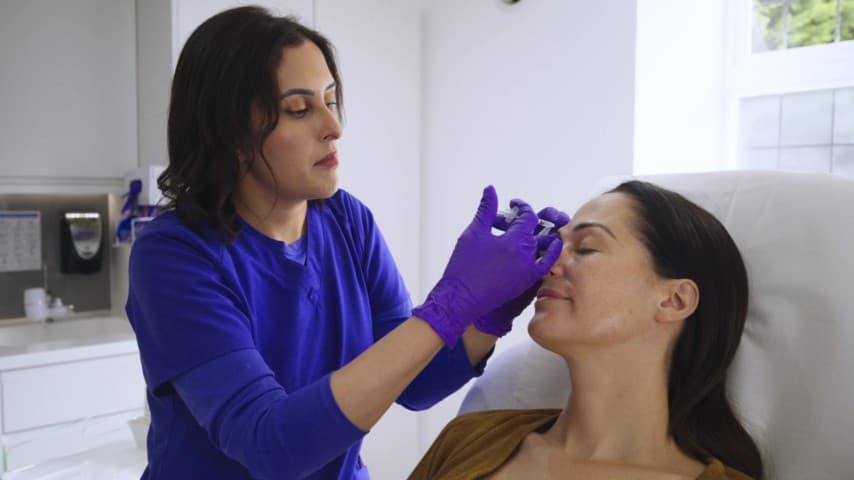
Anti-wrinkle injections are the most widely performed non-surgical cosmetic treatment in the UK. They use a prescription medicine that is injected in very small doses into specific facial muscles, temporarily reducing their activity and softening the lines and wrinkles that form when those muscles contract. The treatment is quick, requires no downtime, and when performed by an experienced medical professional produces subtle, natural-looking results.
Despite their popularity, there is a significant amount of misinformation about anti-wrinkle injections circulating online. This guide has been written by our clinical team at Berkshire Aesthetics in Maidenhead to provide straightforward, evidence-based information about what the treatment involves, what results you can realistically expect, how long those results last, and what the risks are. Whether you are considering anti-wrinkle injections for the first time or are an experienced patient looking for a new clinic, this guide is designed to help you make an informed decision.
The active ingredient in anti-wrinkle injections is a prescription-only medicine that works by temporarily blocking the nerve signals to targeted muscles. When those muscles are less active, the overlying skin appears smoother and the dynamic lines — the wrinkles that appear when you frown, squint or raise your eyebrows — are significantly reduced. It is important to understand that anti-wrinkle injections treat dynamic wrinkles (those caused by muscle movement) rather than static wrinkles (lines that are visible even when your face is at rest), although regular treatment can help prevent dynamic lines from becoming permanently etched into the skin over time.