

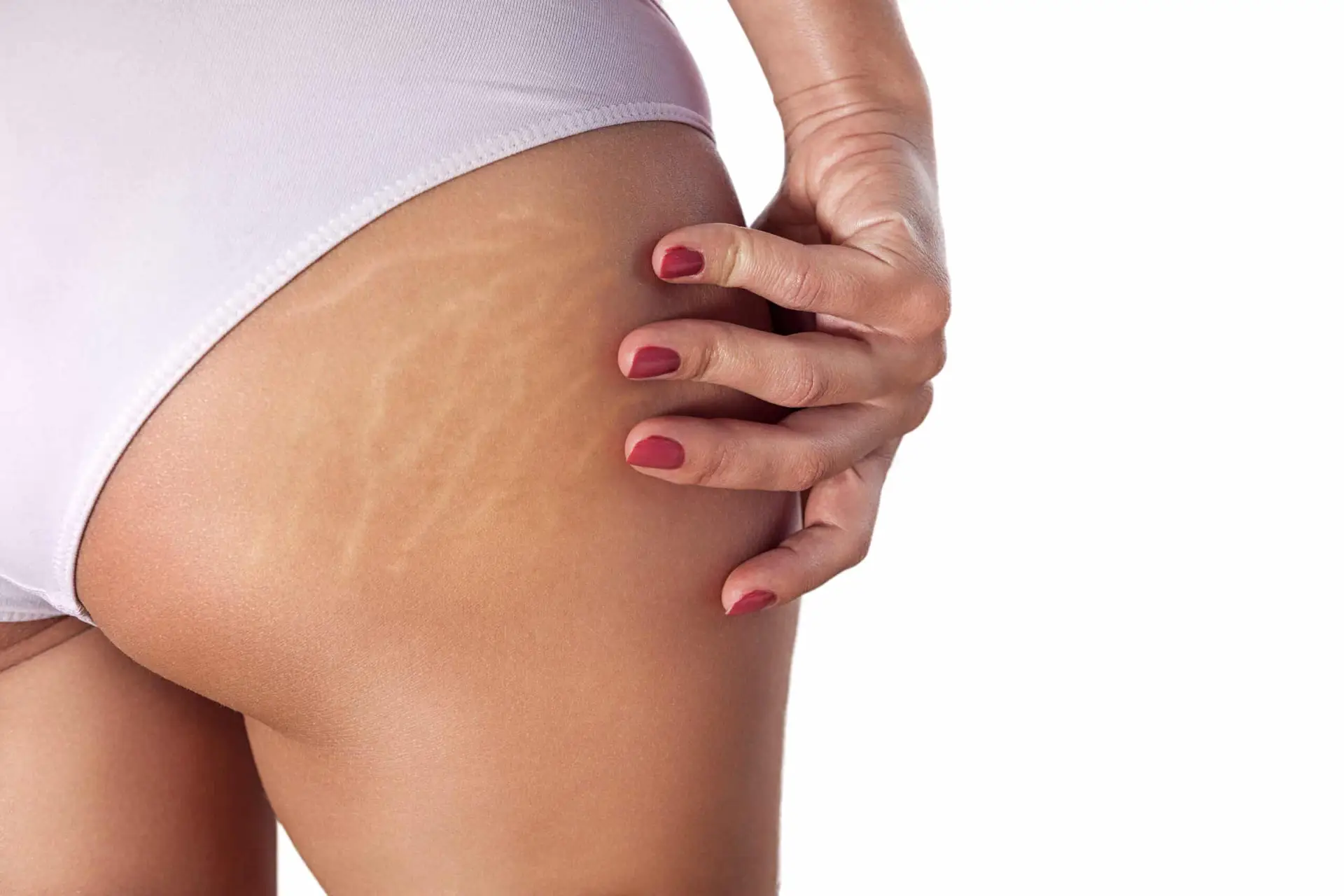
Stretch Mark Treatments
Clinical management of striae distensae through dermal remodelling
Striae distensae (stretch marks) result from rapid mechanical stretching of the dermis exceeding its elastic capacity, leading to disruption of collagen and elastin fibres. At Berkshire Aesthetics, our clinicians assess striae maturity (rubrae vs albae), depth and distribution before recommending appropriate dermal remodelling protocols to improve texture and appearance.
Aetiology & Contributing Factors
- Rapid skin stretching during pregnancy
- Growth spurts during puberty
- Rapid weight gain or loss
- Bodybuilding or rapid muscle growth
- Hormonal changes, particularly increased cortisol levels
- Genetic predisposition to stretch mark formation
- Long-term use of corticosteroid medications
Clinical Presentation
- Red, pink or purple streaks (striae rubrae) — newer stretch marks
- White or silvery streaks (striae albae) — mature stretch marks
- Indented or slightly textured lines on the skin surface
- Most commonly found on the abdomen, breasts, hips, thighs, buttocks and upper arms
- Skin may feel slightly thinner or different in texture in affected areas
Evidence-Based Treatment Modalities
Treatment selection is individualised following clinical assessment, taking into account disease severity, Fitzpatrick skin type, medical history and patient goals.
Morpheus8
Morpheus8 RF microneedling delivers radiofrequency energy into the deeper layers of skin where stretch marks originate, stimulating collagen and elastin remodelling. This can improve the texture, depth and colour of both newer and mature stretch marks over a course of sessions.
Polynucleotides
Polynucleotide injections support tissue regeneration at the cellular level, improving skin quality and promoting healing in stretch-marked areas. They can be used alongside Morpheus8 for enhanced results.
Why we start with a consultation
Every treatment begins with a medical assessment. We need to understand your medical history, current health, skin condition and concerns before prescribing any procedure. This protects your safety and ensures the treatment is clinically appropriate for you.
During your consultation, Dr Langdon will explain what the treatment can realistically achieve, any risks specific to you, and whether an alternative might be more appropriate.
All bookings are subject to our Booking Conditions.
Clinical FAQs: Stretch Marks
Clinical Summary
Clinical Governance
- Stretch mark treatments are assessed and overseen by experienced doctors who understand the underlying skin changes
- We use Morpheus8 body, which can reach the deeper skin layers where stretch marks form, for more effective remodelling
- Realistic expectations are set during consultation — we explain what degree of improvement is achievable for your specific stretch marks
Book a Consultation
Request a medical assessment for your stretch marks with our clinical team.
Book NowCall 01628 202028Further Reading & Clinical References
The following external resources provide independent clinical and regulatory information.
- Stretch marks— NHS
- Stretch marks— DermNet
- Microneedling— DermNet
This content is for informational purposes only and does not constitute medical advice. Individual suitability for any treatment is assessed during a consultation. Always seek the guidance of a qualified medical professional with any questions regarding a medical condition or treatment.
- CQC registered clinic — regulated and inspected
- Doctor-led clinical oversight by Dr Selena Langdon (GMC 6159259)
- Complaints process and patient rights
Page last reviewed: February 2026
Reviewed by Dr Selena Langdon, Medical Director (GMC 6159259) — Last reviewed: February 2026
Request a Clinical Assessment
Book a medical consultation to discuss diagnosis and an individualised treatment protocol.