

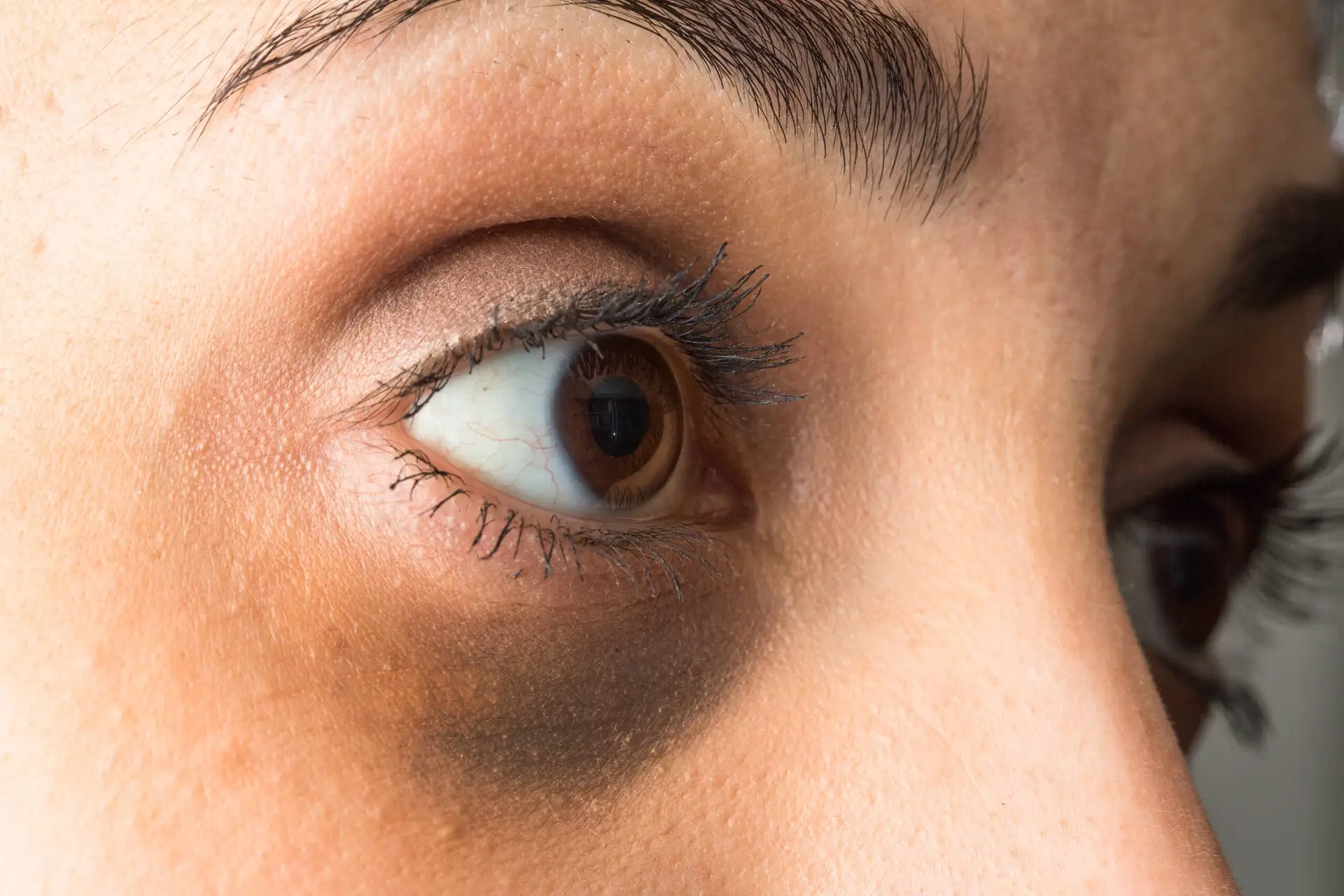
Dark Circle Treatments
Clinical assessment and targeted management of periorbital hyperpigmentation
Periorbital dark circles are a common presenting complaint with a complex differential diagnosis including infraorbital volume deficit, dermal thinning, vascular congestion and melanin deposition. At Berkshire Aesthetics, our medical consultation identifies the underlying aetiology before recommending an appropriate, evidence-based management plan.
Aetiology & Contributing Factors
- Volume loss and hollowing in the tear trough area (often age-related)
- Thin, translucent skin revealing underlying blood vessels
- Pigmentation (melanin deposition), which may be genetic or sun-related
- Vascular congestion causing a blue or purple discolouration
- Fatigue, dehydration and lifestyle factors
- Allergies or chronic nasal congestion
- Genetic predisposition and ethnicity-related pigmentation patterns
Clinical Presentation
- Dark discolouration beneath the eyes (brown, blue or purple tones)
- Hollowing or a sunken appearance in the tear trough area
- Puffiness or fluid retention under the eyes
- A tired or aged appearance, even when well-rested
- Fine crepey lines in the under-eye skin
Evidence-Based Treatment Modalities
Treatment selection is individualised following clinical assessment, taking into account disease severity, Fitzpatrick skin type, medical history and patient goals.
Dermal Fillers
Tear trough filler can restore volume to hollowed under-eye areas, reducing the shadowing that creates the appearance of dark circles. This is an advanced technique performed by experienced doctors, with careful patient selection to ensure suitability.
Polynucleotides
Polynucleotide injections stimulate tissue regeneration and improve skin quality in the delicate under-eye area. They can help thicken thin skin, improve hydration and reduce the visibility of dark circles over a course of treatments.
Dermalux Triwave MD
Dermalux LED phototherapy can support skin health and reduce inflammation in the under-eye area. Specific wavelengths promote circulation and cellular repair, complementing other dark circle treatments.
Why we start with a consultation
Every treatment begins with a medical assessment. We need to understand your medical history, current health, skin condition and concerns before prescribing any procedure. This protects your safety and ensures the treatment is clinically appropriate for you.
During your consultation, Dr Langdon will explain what the treatment can realistically achieve, any risks specific to you, and whether an alternative might be more appropriate.
All bookings are subject to our Booking Conditions.
Clinical FAQs: Dark Circles
Clinical Summary
Clinical Governance
- Under-eye treatments are performed exclusively by experienced doctors trained in advanced injection techniques for this delicate area
- We identify the specific cause of your dark circles before recommending treatment — not all dark circles respond to the same approach
- Patient safety is prioritised, and we will advise against treatment if it is unlikely to achieve a meaningful improvement
Book a Consultation
Request a medical assessment for your dark circles with our clinical team.
Book NowCall 01628 202028Related Conditions
Further Reading & Clinical References
The following external resources provide independent clinical and regulatory information.
- Periorbital dark circles— DermNet
- Dermal fillers— NHS
This content is for informational purposes only and does not constitute medical advice. Individual suitability for any treatment is assessed during a consultation. Always seek the guidance of a qualified medical professional with any questions regarding a medical condition or treatment.
- CQC registered clinic — regulated and inspected
- Doctor-led clinical oversight by Dr Selena Langdon (GMC 6159259)
- Complaints process and patient rights
Page last reviewed: February 2026
Reviewed by Dr Selena Langdon, Medical Director (GMC 6159259) — Last reviewed: February 2026
Request a Clinical Assessment
Book a medical consultation to discuss diagnosis and an individualised treatment protocol.